Spectrum of Success
Re-shaping awareness and elevating the conversation about Neurodivergence in the workplace through storytelling.
What is Spectrum of Success?
More people are coming to realize that when you’ve met one Autistic person, you’ve met one Autistic person. There is simply no single standard for how Autism manifests among people. And that’s the beauty of using the word “spectrum” within the formal terminology of Autism Spectrum Disorder. At the same time, the term “disorder” can be confusing, since it puts the emphasis on the idea of deficits instead of on talents, traits, skills and unique abilities, which the neurotypical population often doesn’t have. I describe myself as “having an Autistic mind”, using a positive connotation. And while my mind primarily operates from an Autistic perspective, I also happen to have ADHD, which is another way my mind is neurodivergent. Regardless of how any of us show up in a world that is naturally neurodiverse, there is a path to success for all of us.
Currently the workforce is blessed with a minimum of 15-20% of employees and leaders who are neurodivergent. Additionally, the data shows a distribution of high intelligence that is greater than the general population. When you add this to the fact that our minds work differently and are able to make unique contributions to the workplace, it means we have much to contribute to organizations. Based on these numbers, it’s clearly time that we re-shape awareness of who we are and how we show up at work. It’s time for limited stereotypes to be set aside and for a nuanced understanding to take root.
Spectrum of Success, then, exists to tell our stories so that awareness of neurodivergence can be re-shaped!
My Story
The theme for my entire career has been, “you don’t know me, and you’re not getting the best from me.” I said this even while I was winning awards for sales excellence, but what does it mean? It means that I was always hiding something and I was unable to bring my true, cognitive self to work because it didn’t fit the corporate costume and I knew it. More than that, it means that corporate culture is not designed to manage people based on their strengths, it’s optimized to manage a relatively narrow range of behaviors, speech and activities in a homogenous manner. If you don’t naturally fit into that range, you are faced with the choice to either fit in, or be moved out. I always chose to fit in. What corporate culture also demanded, though, was that my thinking fit into that range as well, and my natural Autistic brain simply doesn’t work optimally in that range. Not only do I have Autism, but I have ADHD and have been tested at an IQ in the gifted range. This is labeled as Twice Exceptional, which I only share to demonstrate that different is a label I can’t ignore. The energy required to mask/camouflage my Autism created a level of exhaustion that no one could see but that took a toll in the form of productivity and engagement. And still I was a top performer. So what could we have accomplished together if my energy was directed at all the right things?
That’s why we need to re-shape awareness about Neurodivergence in the workplace and elevate the conversation. Employees will benefit and companies will too. Let’s talk about how we can do this together.
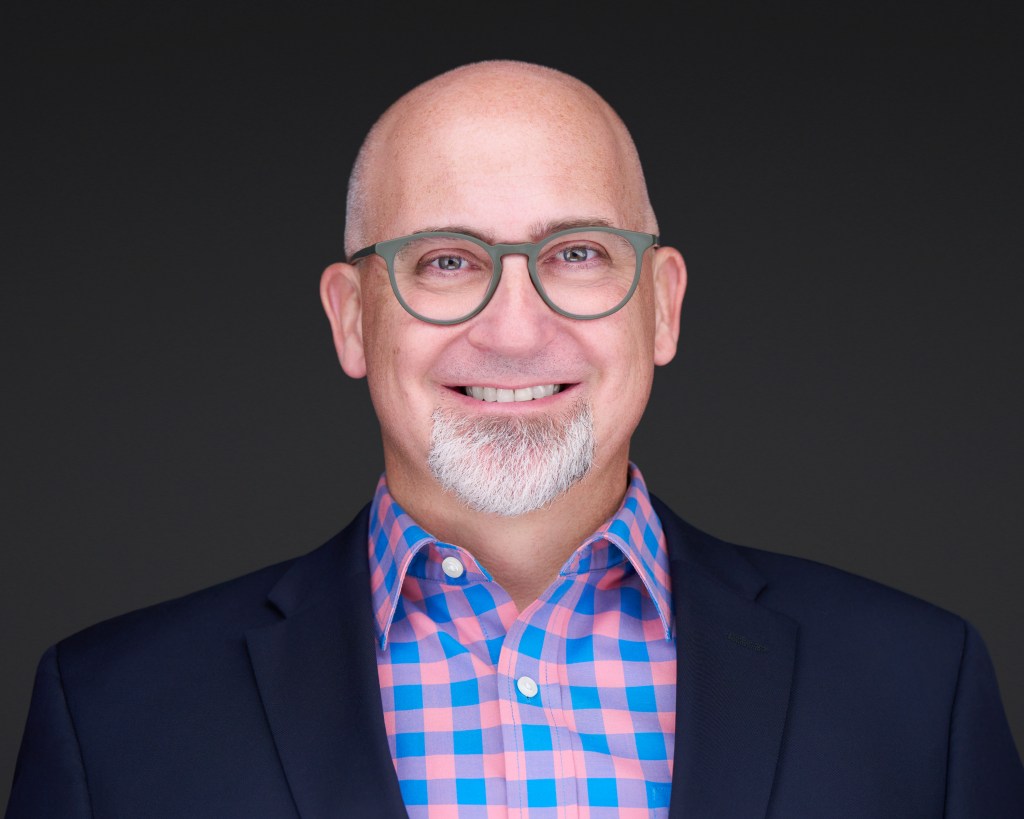
Craig A. Isaak
Founder, Neu-Advantage Consulting
Learn More

Archives
Hear me talk about different aspects of Autism in the workplace, with a focus on highly intelligent employees and leaders. (Coming Soon)
Resources
We’re not just sharing stories, there is a business case for both talking about this and doing something about it. Find data and resources here. (Coming Soon)

Share Your Story
If you have high intelligence and Autism (formally or informally diagnosed), or suspect you may have Autism, share your story to elevate the conversation.
 Spectrum of Success